

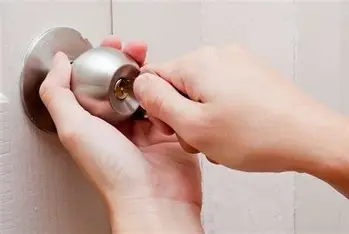
Why Is My Key Hard to Turn in the Lock?
If your key is hard to turn in the lock, it can be frustrating and worrying. Sometimes the problem is minor and easy to fix, but in other cases it could be a sign that your lock is starting to fail.
Understanding the common causes can help you decide whether it’s a simple fix or whether it’s time to call a professional locksmith.
Below are some of the most common reasons why your key may be difficult to turn in a door lock.
1. Dirt or Debris Inside the Lock
One of the most common causes of a stiff lock is dirt building up inside the mechanism.
Over time, dust, debris, and small particles can get inside the lock cylinder, making it harder for the key to move smoothly.
Signs this may be the problem include:
-
The key goes in easily but feels rough when turning
-
The lock used to work smoothly but gradually became stiff
-
The problem happens occasionally rather than every time
Sometimes cleaning or lubricating the lock can help improve the movement.
2. A Worn or Damaged Key
Keys wear down over time, especially if they’re used every day.
A worn key may not align perfectly with the pins inside the lock anymore, which can make it harder to turn.
You may notice:
-
The key works but requires extra force
-
The key only turns when positioned a certain way
-
Spare keys work better than the main key
If this happens, replacing the key can sometimes solve the problem quickly.
3. Cold Weather
In colder months, locks can become stiff due to temperature changes and moisture.
Metal components contract slightly in low temperatures, and condensation can cause internal parts of the lock to become less smooth.
This is why many people notice lock problems during winter mornings or late at night.
4. Door Misalignment
If your door has shifted slightly over time, the lock may not line up perfectly with the strike plate.
This can cause pressure on the lock mechanism, making the key harder to turn.
Signs of a misaligned door include:
-
You need to lift the handle to lock the door
-
The door feels tight when closing
-
The key turns more easily when you push or pull the door
uPVC doors are especially prone to this issue.
5. A Failing Lock Mechanism
Sometimes a stiff key is an early sign that the lock mechanism is wearing out.
Over time, internal components can become damaged or worn, especially in older locks.
If the problem is getting worse, the lock may eventually stop working completely, which could leave you locked out.
What You Should Avoid Doing
If your key is hard to turn, avoid forcing it.
Using too much pressure can:
-
Snap the key inside the lock
-
Damage the internal lock mechanism
-
Turn a small problem into a bigger repair
If the lock feels stuck, it’s best to stop and investigate the cause rather than forcing the key.
When to Call a Locksmith
If your key is consistently difficult to turn, a professional locksmith can inspect the lock and identify the issue.
In many cases, the problem can be fixed without replacing the entire lock.
A locksmith can:
-
Check the alignment of your door
-
Repair or adjust the lock mechanism
-
Replace worn parts if needed
-
Ensure the lock works smoothly again
Need Help With a Stiff or Jammed Lock?
At RPC Locksmith, we help customers with all types of lock problems, including stiff or difficult door locks.
Our pricing is simple and transparent:
-
No call-out fee
-
£75 labour
-
Plus the cost of any parts if required
If your key is difficult to turn or your lock is starting to fail, we can help get it working properly again.
Contact RPC Locksmith for fast and professional locksmith services.
07702 809477
Or if you prefer to email
Info@rpclocksmiths.co.uk


Leave A Comment